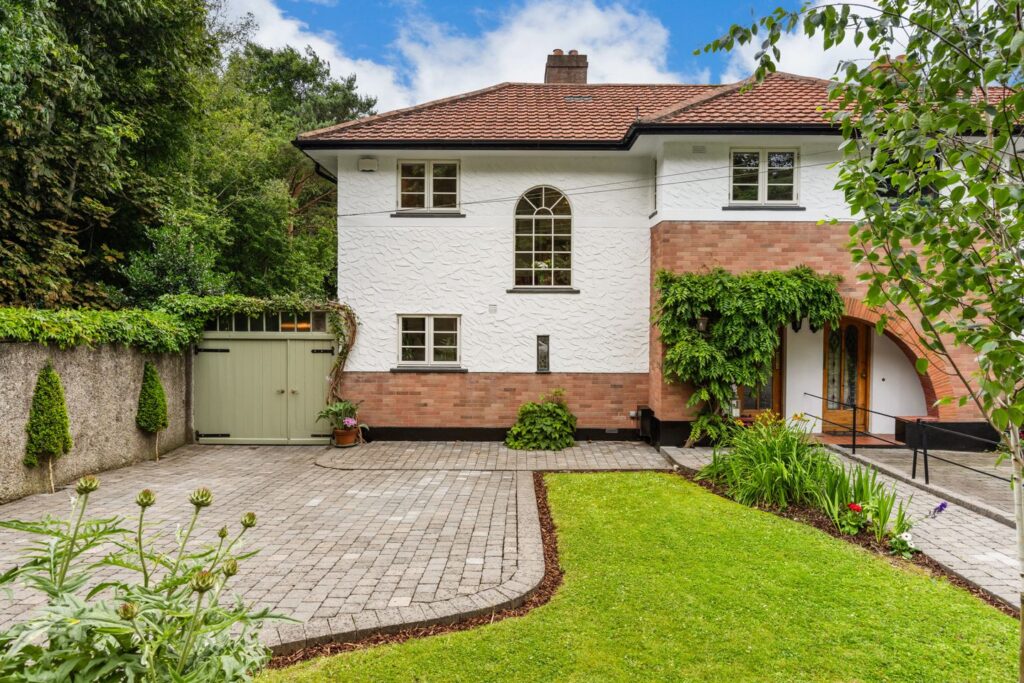
Ever wondered where exactly your property ends and your neighbor’s begins? That’s where a boundary survey comes in. Let’s break it down in simple terms—and show you how to sidestep those headache-inducing land disputes.
What Is a Boundary Survey and Why Does It Matter?
Think of a boundary survey as drawing an official “edge” around your land. Surveyors use specialized tools (and a keen eye) to:
– Mark out the exact corners and lines of your property
– Spot any overlaps or encroachments (like that fence that may be a little too friendly with your side)
– Map out easements, rights-of-way, and setbacks (basically, who can use what, and where)
Why bother?
– It’s the best way to prove what you actually own.
– It helps you avoid disputes, especially when building, selling, or just keeping the peace with neighbors.
– It’s a must for legal clarity—so your records match up with what’s actually on the ground.
If you’re considering a professional service, Stacey Surveying can ensure your property’s boundaries are mapped accurately and efficiently.
Land Survey Lingo: Key Terms You’ll Hear
Don’t get lost in the jargon! Here’s a cheat sheet:
– Legal Description: The official words that define your property in deeds and records.
– Monuments: Physical markers (like iron rods or concrete posts) placed at key points.
– Bearings & Distances: The direction and length of your property lines.
– Plats: The map that shows all the details.
– Easements: Legal rights for others to use part of your land for a purpose (like utilities).
– Datum: A reference point for elevation or location.
Pro Tip: Always double-check these details, and don’t hesitate to ask your surveyor to explain anything that’s unclear.
When Might You Need a Boundary Survey?
Not sure if you need one? Here are some situations where a survey is a must:
– Buying or Selling a home or land
– Building a fence, garage, or addition
– Subdividing your property
– Settling a dispute with a neighbor over where the line is
– Getting a mortgage (some lenders require it)
– Spotting encroachments (like a neighbor’s shed or driveway creeping onto your lot)
If you’re scratching your head about your boundaries, a survey gives you peace of mind.
How Does a Boundary Survey Work? Step-by-Step
Here’s what usually happens:
- Kick-Off: You and your surveyor chat about what you need (and why).
- Records Review: They dig into old deeds, plats, maps, and title docs.
- Field Work: Out come the fancy gadgets—surveyors measure, mark, and double-check corners, lines, and elevations.
- Back to the Office: They crunch the numbers, check for errors, and draw up a detailed map (the plat).
- Final Report: You get a clear, written explanation of what was found, with all the evidence to back it up.
Tip: Ask for a copy of the plat—it’s handy for future reference.
What Tools Do Surveyors Use?
Surveyors aren’t just out there with a tape measure. Their toolkit might include:
– Total Stations: High-tech devices for measuring angles and distances
– GPS Receivers: For pinpoint accuracy, even over big areas
– Levels & Theodolites: For precise angles and elevations
– Laser Measures: Perfect for quick, short distances
– Stakes & Flags: To mark important points on the ground
And of course, there’s lots of note-taking, checking, and double-checking.
Reading Survey Plats and Deeds (Without Losing Your Mind)
Survey plats and legal deeds can look intimidating, but here’s how to make sense of them:
What to Look for on a Plat
– North Arrow & Scale: Tells you direction and distance
– Boundary Lines: Your property edges (often bolded)
– Monuments: Symbols for stakes, pins, or markers
– Easements & Setbacks: Areas you can’t build on or where others have access
– Legend: Explains all those symbols and abbreviations
Decoding the Deed
– Metes and Bounds: Describes your property line by line, using directions and measurements
– Lot & Block: Used in subdivisions (“Lot 4, Block 2, Happy Acres”)
– Bearings: Compass directions (like N45°E)
– Monuments: References to physical markers
Match up the plat and the deed—if something doesn’t add up, ask for clarification.
Boundary Disputes: Why They Happen (and How Surveys Solve Them)
Most neighborly spats start when boundaries are fuzzy. Common causes:
– Old fences in the wrong spot
– Deeds that don’t match what’s actually on the ground
– Unclear or missing markers
How does a survey help?
– It gives you a defensible, official record of where your land starts and ends.
– It helps settle arguments before they get ugly (or expensive).
– It makes it easier to negotiate, sell, or improve your property.
Making Sure Your Survey Meets Local Rules
Just because it’s on a map doesn’t mean it’s legal. Good surveyors:
– Match their work to local zoning, subdivision, and surveying standards
– Use approved reference points and measurement methods
– Clearly document any “gray areas” or uncertainties
– Prepare maps and reports that are ready for filing with local authorities
Bottom line: You want a survey that’s not just accurate, but also official and recognized by your city or county.
Choosing the Right Surveyor: Tips You Can Trust
Don’t just pick the first name you find online. Here’s how to choose wisely:
– Check Licenses: Are they licensed in your state? Any extra certifications?
– Ask About Experience: Have they done surveys like yours before? (Especially in your area!)
– Request References: Talk to past clients about their experience.
– Review Insurance: Make sure they’re covered for mistakes or accidents.
– Get a Clear Proposal: You want a written scope, timeline, and breakdown of costs.
A good surveyor is happy to answer your questions and explain their process.
Keeping Boundaries Clear for the Future
Once your boundaries are mapped, keep things up-to-date:
– Save copies of all surveys, plats, and deeds
– Document any changes (like new fences or additions)
– Review your boundaries if you plan any big projects
– Communicate with neighbors before making changes near the line
– File new surveys or updates with your local records office
Tip: Markers can get moved or buried—keep an eye on them, and call a surveyor if something seems off.
The Takeaway
Boundary surveys aren’t just for legal geeks—they’re your best friend for protecting your property, keeping the peace, and making sure you (and your neighbors) know exactly where you stand. If you’re ever in doubt, call a pro, ask questions, and keep a record. Your future self will thank you!